The mounting concerns around environmental sustainability are dramatically reshaping the way businesses strategize their packaging methods. A revealing study from Bain & Company highlights that half of today’s consumers now list sustainability among their top four considerations when making a purchase. This notable shift signals an epoch where environmental mindfulness dictates buying patterns more than ever before. However, despite the growing interest, sustainability remains a nebulous concept for many. Confusion pervades the market, with consumers frequently equating sustainability with premium pricing—a misunderstanding that companies must actively address by offering clear, definitive sustainable packaging options and educating their clientele.
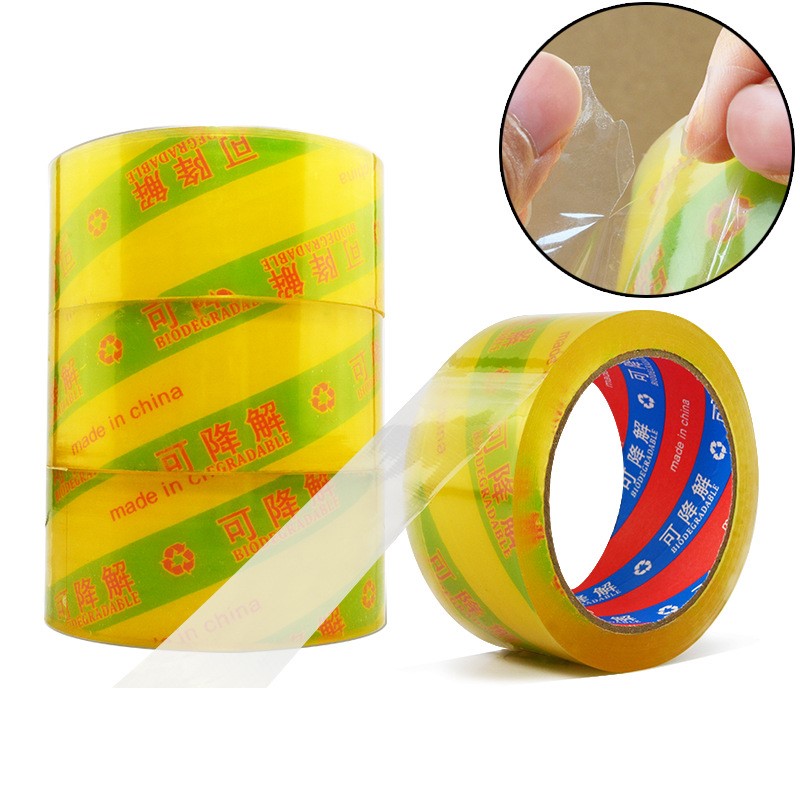
Indeed, decoding the puzzle of sustainable packaging requires navigating terms such as "recyclable," "biodegradable," and "compostable"—words often used interchangeably yet embodying distinct environmental attributes. For brands striving to genuinely embrace sustainability, discerning these nuances becomes paramount. These packaging decisions don’t merely impact the products they encase but reverberate through the ecosystem, influencing the future state of our planet and the public perception of a brand’s environmental responsibility. With this complexity in mind, let us delve deeper into the distinct realms of recyclable and biodegradable packaging, uncovering the pathways to making informed choices that attract the eco-conscious buyer.
Dissecting Recyclable Packaging
Ownlikes
Materials characterizing fully recyclable packaging—those that can embark on a second life through reprocessing—primarily include:
-
Paper and cardboard: Renowned for their ease of recycling, these materials morph back into new paper products through mechanical and chemical breakdowns.
-
Glass: Infinitely recyclable without degradation to its integrity, glass stands as a testament to true circular economy potentials.
-
Metals: Specifically, aluminum and steel, retain their properties post-recycling and thus are endlessly reusable.
-
Certain plastics: Particularly those stamped with recycling codes 1 (PET) and 2 (HDPE). These plastics—commonly accepted in curbside programs—emerge as pivotal players in the recycling landscape.
For packaging to earn the "100% recyclable" label, every constituent, down to adhesives, labels, and coatings, must succumb to the same recycling processes without posing contamination risks or practical obstacles. Businesses, therefore, wield the responsibility of comprehending this holistic recyclability when curating their packaging designs. Missteps in this arena risk not only the ire of increasingly eco-aware consumers but also regulatory penalties.
Ownlikes
Take the case of a beverage brand contemplating a shift to 100% recyclable packaging. Choosing aluminum cans, which boast full recyclability including their coatings and labels, exemplifies a brand aligning its strategy with environmental integrity. Similarly, retailers may opt for cardboard boxes designed with water-based inks and adhesives to ensure a fully recyclable end product. Folding carton manufacturers, too, find solace in paper-based solutions, championing sustainability by crafting packaging both recyclable and beloved by eco-conscious consumers. The trajectory is clear: Materials that align with these standards carve the path to an authentically sustainable lifecycle.
The endeavor towards crafting packaging that adheres to such recyclability benchmarks enables brands to cultivate robust reputations as environmental stewards. By making conscious decisions grounded in genuine recyclability, brands can cater to the growing demographic of consumers who demand more than just quality products—they demand ethical packaging.
Peering into Biodegradable Packaging
Shifting focus to biodegradable packaging requires us to confront an entirely different premise: Instead of relying on human-made processes such as recycling, we lean on nature's mechanisms of decomposition. 100% biodegradable packaging, in essence, refers to materials capable of decomposing through natural microbial action, breaking down into harmless compounds such as water, carbon dioxide, and biomass. Key materials fostering this biodegradability typically include paper, cardboard, and bioplastics derived from organic sources such as corn or sugarcane.
Consider the appeal of packaging that, post-use, gracefully disintegrates into the Earth without leaving toxic remnants. Such packaging meets an exalted standing among environmentally conscious buyers who aspire to reduce their contribution to landfill mass. Ownlikes
This allure stems not merely from environmental aspirations but from tangible scientific principles enabling materials like bioplastics to decay fully under appropriate conditions. Nevertheless, biodegradable packaging can often be misunderstood. Some believe that "biodegradable" automatically equates to "compostable," a term we shall delve into shortly, but the reality is more nuanced. True biodegradability implies complete breakdown within a relatively short timeframe—without generating any lasting harmful residues.
However, when opting for biodegradable solutions, businesses face an implicit responsibility to ensure proper disposal. While consumers might assume their biodegradable purchases will naturally dissolve in the environment, many such materials require specific conditions—high heat, moisture, or microbial activity—that landfills often lack. The result? Packaging that could biodegrade ends up mummified in a plastic-laden tomb for centuries. Therefore, brands embracing biodegradable packaging should accompany this choice with robust education campaigns to guide consumers towards responsible disposal practices.
Compostable Packaging: The Intersection of Sustainability and Decomposition
At this juncture, we must address compostable packaging, a subset of biodegradable materials with the added criterion that they decompose not just anywhere, but in composting environments. Compostable packaging transforms into nutrient-rich compost under industrial or home composting conditions, enriching the soil rather than contributing to waste. It’s critical for brands to communicate the distinction, as many consumers may mistakenly treat compostable packaging the same way they would biodegradable, thus negating the intended environmental benefits.
Ownlikes
In practical terms, packaging designated as "compostable" should adhere to specific standards—such as ASTM D6400 or EN 13432—that certify the material will break down within a defined timeframe, offering assurance beyond the ambiguous "biodegradable" label. Consequently, if your enterprise is gravitating towards compostable packaging, know that success in this arena hinges not only on the design and production phases but also on educating end users on proper disposal.
Brands can harness the power of compostable packaging not merely as a sustainable option but also as an innovation catalyst. Consider companies that use biowaste to generate packaging materials; this closed-loop system reflects the apex of circular economy thinking, epitomizing a marriage between environmental conscientiousness and inventive product design. However, it remains incumbent upon businesses to spotlight not only the ecological virtues but also the necessary composting infrastructure to avoid greenwashing claims.
Industrial Adhesives and Eco-Friendly Packaging: A Symbiotic Approach
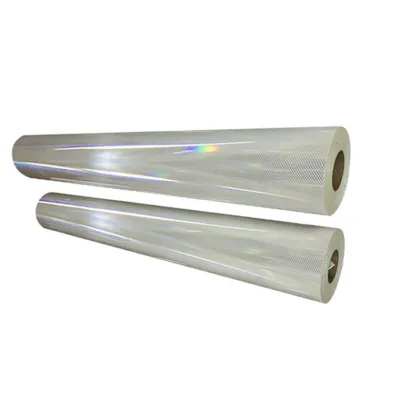
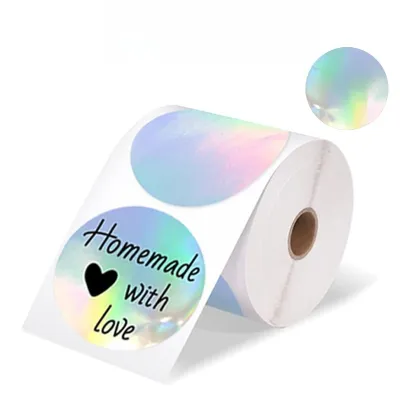
For companies like yours, which specialize in adhesives, the call to action echoes with particular intensity. Industrial adhesives, films, and laminates have traditionally been villains in the recycling process, often blamed for contaminating otherwise recyclable materials. Yet the evolving demand for sustainable packaging now compels the adhesive industry to innovate. Solutions like water-based adhesives, or those that biodegrade in tandem with the substrates they bond, stand as promising developments in aligning adhesives with eco-friendly packaging goals.
Ownlikes
It's noteworthy to examine some emerging trends within the adhesive sector. Certain biopolymer-based adhesives, derived from renewable resources, challenge conventional paradigms by maintaining their functionality without hindering the recyclability or compostability of the packaging they constitute. Take, for instance, repositionable adhesives that allow consumers to dismantle packaging without waste or those designed for easy removal in recycling facilities. These advancements encapsulate the spirit of adaptability that the market now requires.
Companies like yours play a pivotal role in propelling the movement towards truly sustainable packaging by fostering research and innovation around these "unseen" elements—adhesives and laminates. What once acted as a packaging afterthought now garners attention as a critical lever in enhancing the sustainability profile of packaging systems.
The Packaging Balancing Act: Material Choice vs. Functionality
Sustainability does not and should not imply a sacrifice in packaging functionality. Forward-thinking brands frequently wrestle with balancing the competing priorities of environmental impact, product protection, and branding aesthetics. Fortunately, solutions abound for those willing to navigate this intricate matrix. For example, biodegradable films offer transparency and product visibility akin to traditional plastic, yet with none of the ecological downsides. Brands in the food industry find value here, particularly in augmenting perceived product freshness through transparent yet compostable films.
Similarly, the shift towards paper-based cushioning materials demonstrates that even sectors requiring high levels of product protection, such as electronics or fragile goods, can adopt recyclable or biodegradable solutions. Innovations like honeycomb paper fillers, which protect items in transit while remaining 100% recyclable, signify just one of many adaptive solutions aligning with sustainability goals without compromising on quality.
Barrier Challenges: Sustainable Materials and Shelf-Life Considerations
One of the notable impediments to adopting recyclable or biodegradable packaging lies in its impact on product shelf-life. Often, conventional materials like plastic provide superior barriers against oxygen, moisture, and light—all critical factors in prolonging product freshness. Packaging designers today confront the difficulty of crafting solutions that protect contents without relying on non-sustainable materials.
Enter coatings derived from natural ingredients, such as wax or silicone, offering barrier properties akin to traditional plastic films yet without impeding the recycling stream or biodegradation process. These coatings manage to extend shelf-life without forsaking eco-friendliness, ensuring that sustainability does not come at the expense of practicality or consumer satisfaction.
Aligning Packaging with Corporate Sustainability Goals
Ultimately, aligning packaging choices with corporate sustainability goals is an exercise in holistic thinking. Businesses need to assess not only the immediate environmental impact of their packaging but also the larger ripple effects through the supply chain. Does your packaging reduce carbon emissions by utilizing lightweight materials? Does it minimize waste by optimizing logistical loads? Or perhaps it relies on renewable energy during its production phase?
These questions aren’t just philosophical—they form the bedrock of substantive sustainability initiatives. Brands aiming for certification through sustainability benchmarks such as B Corporation status or Cradle to Cradle certification will find packaging choices play a decisive role in their application success. And let’s not overlook the consumer’s voice; transparency about eco-credentials not only fulfills regulatory demands but serves as a clarion call to eco-conscious buyers.
In closing, 100% recyclable and biodegradable packaging stands not as an isolated element but as a linchpin connecting the vast machinations of product lifecycles, consumer expectations, and environmental imperatives. Those businesses adept at integrating sustainability into the core of their packaging strategies will discover more than just green accolades; they’ll find loyal customers who see sustainability as non-negotiable. Success, in this evolving landscape, belongs to those bold enough to innovate.
We offer comprehensive technical support, including free professional labeling solutions, advice on label materials and adhesive selection, as well as online/offline assistance from professional software and hardware engineers. Service email: andy@ownlikes.cn. In pre-sales, we leverage our extensive experience in specialty labeling projects to provide clients with the most suitable hardware solutions. Additionally, all our label barcode printers and scanners come with a three-year free warranty, demonstrating our confidence in our products.